Pro Tip: Choose the Right Material First
Selecting the correct filter cloth material can increase filtration efficiency by up to 30%, reduce downtime, and extend cloth service life. This guide covers the four most common materials and how to pick the right one for your application.
1. Material Comparison: PP vs PET vs PA vs PTFE
The four most common filter cloth materials each have distinct strengths. Use the table below to compare key performance metrics:
| Material | Max Temp | Acid Resistance | Alkali Resistance | Abrasion | Cost | Typical Applications |
|---|---|---|---|---|---|---|
| PP | ≤ 90°C | ★★★★ | ★★★★ | ★★★★ | Low | Mining / Chemical / Wastewater |
| PET | ≤ 130°C | ★★★ | ★★ | ★★★ | Medium | Dust Collection / High-Temp Industrial |
| PA Nylon | ≤ 110°C | ★★ | ★★★★ | ★★★★★ | Medium | Coal Washing / High-Abrasion |
| PTFE | ≤ 260°C | ★★★★★ | ★★★★★ | ★★★ | High | Strong Acid/Alkali / High-Temp / Power Plant |
2. Selection Decision Tree
Follow these 5 conditions in order to find the best filter cloth material for your process:
Operating temperature > 130°C?
Yes → Use PTFE. It withstands up to 260°C and is the only option for extreme heat.
Strong acid or strong alkali environment?
Yes → Use PTFE. Unmatched chemical resistance to both acids and bases.
High abrasion / particle wear conditions?
Yes → Use PA (Nylon). Best abrasion resistance among standard filter cloths.
High-temperature dust collection application?
Yes → Use PET. Better heat tolerance than PP, suitable for bag filters and dust collectors.
Standard conditions (none of the above)?
Default → Use PP. Best cost-performance ratio for general filtration: mining, chemical, wastewater.
3. Related Products
Browse our full range of filter cloth materials, each available in custom sizes and weave patterns:
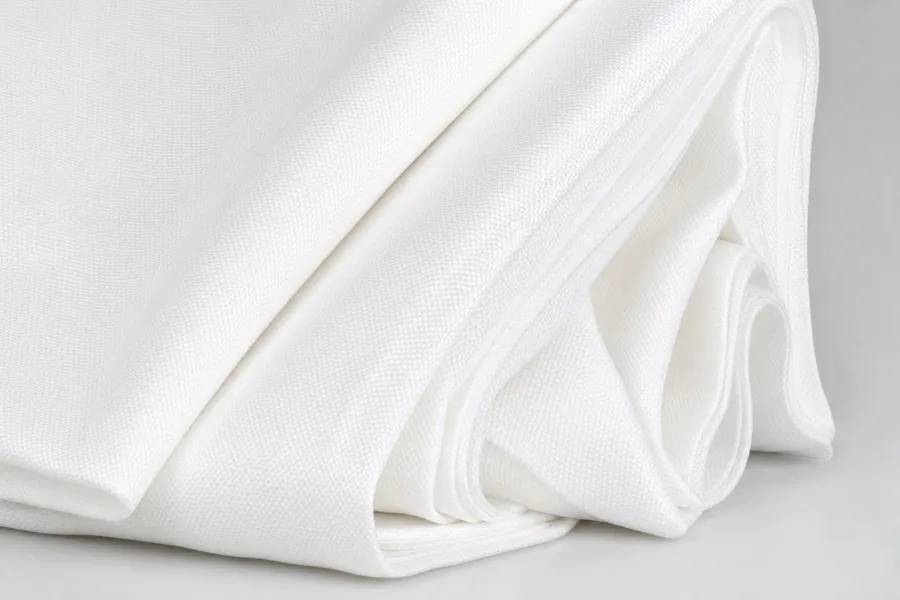
PP Filter Cloth
Cost-effective, acid & alkali resistant, ideal for mining and wastewater.
View Product
PET Filter Cloth
High-temperature resistance up to 130°C, ideal for dust collection systems.
View Product
PA Nylon Filter Cloth
Superior abrasion resistance, best for coal washing and heavy-wear applications.
View Product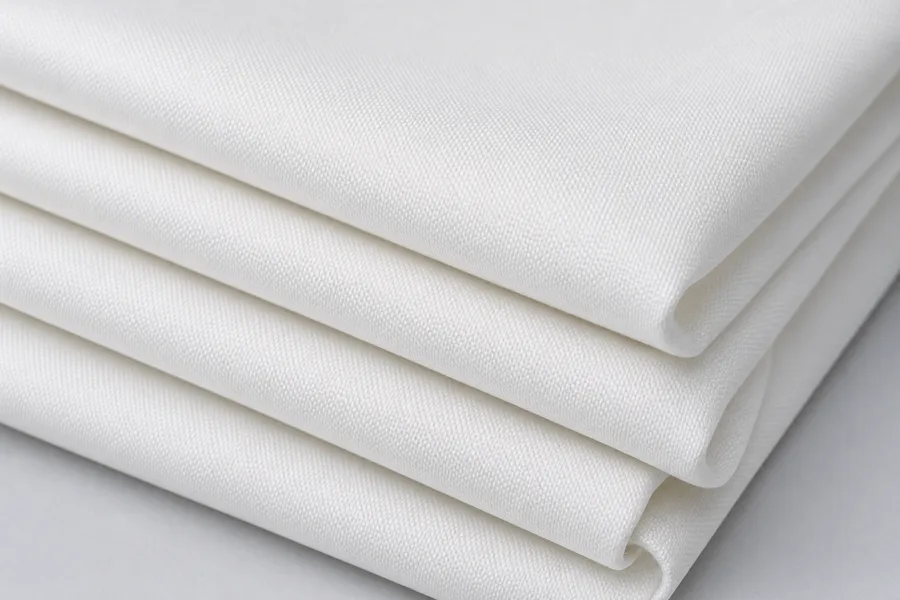
PTFE Filter Cloth
Extreme chemical and temperature resistance, for power and acid environments.
View Product